Die Rolle eines Video-Übersetzers in aktuellen Video-First-Webdesign-Trends
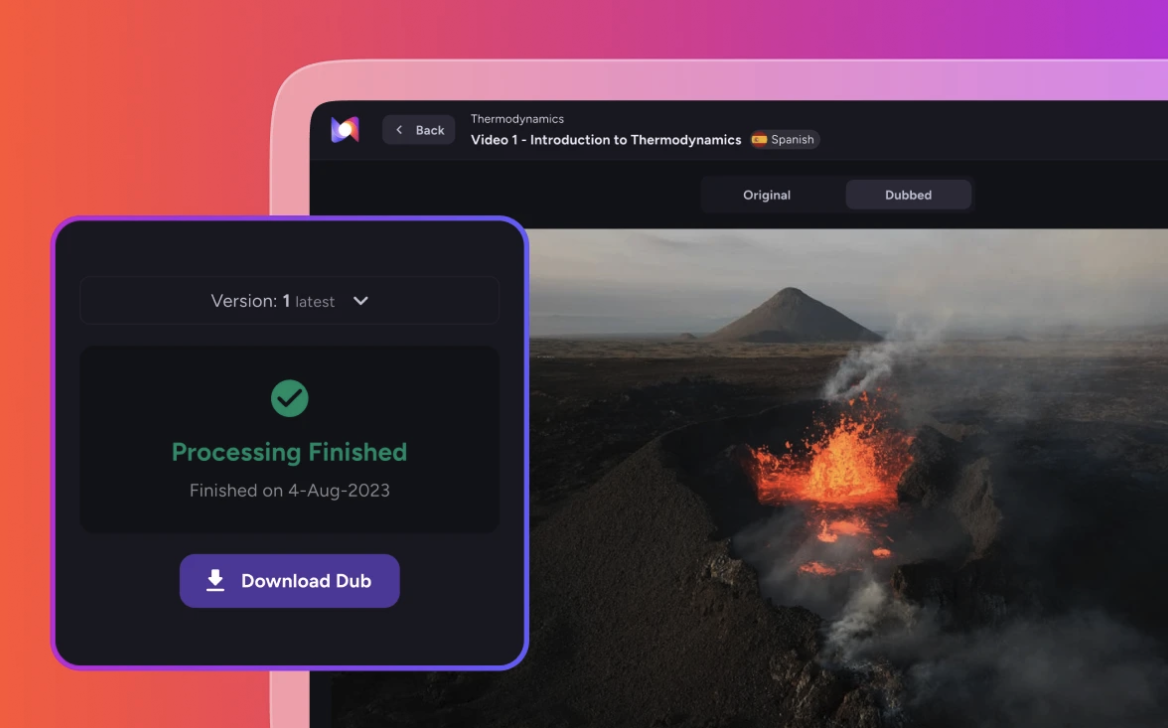
Das Internet entwickelt sich zunehmend zu einem videobasierten Erlebnis. Von Landingpages bis hin zu Produkt-Demos, KI-Demos auf Videobasis und videobasiertem Support — die Menschen lernen über Videos und interagieren mit Marken.
Während die meisten Unternehmen diesen Trend aufgreifen, wird eine Herausforderung von Jahr zu Jahr größer: ein globales Publikum mit Inhalten zu erreichen, die sich in jeder Sprache natürlich anfühlen. Genau hier spielen Video-Übersetzer eine entscheidende Rolle. Sie helfen Teams dabei, ihre Videos zugänglich und nachvollziehbar für Zuschauer zu machen, ohne alles von Grund auf neu erstellen zu müssen.
Was ist ein Video-Übersetzer?
Ein Video-Übersetzer kann helfen, den Ton eines Videos in eine andere Sprache zu konvertieren. Er unterstützt alle Arten von Branchen — Influencer-Marketing, digitale Vermarkter, Podcaster, Video-Ersteller, Geschäftsinhaber und Designer — dabei, ihre Videos für Nutzer verständlich zu machen, die andere Sprachen sprechen. Anstatt alles in verschiedenen Sprachen neu aufzunehmen, verändert ein Video-Übersetzer die Stimme und Untertitel, sodass Zuschauer dasselbe Video in ihrer eigenen Sprache anschauen können.
Ein Video-Übersetzer ist nützlich für:
- Websites, die ein videobasiertes Design verwenden.
- Unternehmen, die auf ein globales Publikum abzielen.
- Creator, die möchten, dass mehr Menschen ihre Inhalte verstehen.
- Teams, die Zeit und Aufwand beim Aufnehmen neuer Sprachaufnahmen einsparen möchten.
Viele Teams wählen auch einen Video-Übersetzer, wenn sie schnell mit verschiedenen Sprachen experimentieren möchten, bevor sie globale Inhalte veröffentlichen.
Warum videobasiertes Webdesign eine bessere Zugänglichkeit benötigt
Videobasiertes Design setzt auf Zeigen statt Erklären. Moderne Nutzer wollen schnelle Informationen, einfache visuelle Darstellungen und Inhalte, die sie auf jedem Gerät anschauen können. Wenn diese Videos aber nur in einer Sprache funktionieren, riskieren Marken, einen großen Teil ihres Publikums zu verlieren.
Die Video-Übersetzer-Funktion löst das Problem, dass Video-Ersteller mehrere Versionen desselben Videos erstellen müssen. Dadurch können wir ein besseres Engagement bei Nutzern und eine reibungslosere Nutzererfahrung schaffen. Wenn Besucher ein Video in ihrer eigenen Sprache verstehen können, bleiben sie länger und verbinden sich schneller mit den Markenbotschaften.
Die wachsende Bedeutung mehrsprachiger Videos
Immer mehr Websites fügen Video-Banner, Walkthroughs, Erfahrungsberichte und Produktgeschichten hinzu. Wenn diese Videos Zielgruppen aus verschiedenen Ländern erreichen, vervielfacht sich die Wirkung. Mehrsprachige Unterstützung ist keine Option mehr. Sie ist zu einem wichtigen Bestandteil eines starken digitalen Designs geworden.
Ein Video-Übersetzer hilft Marken dabei:
- Vertrauen bei globalen Nutzern aufzubauen, indem sie deren Sprache sprechen.
- Klare und wiedererkennbare Sprachaufnahmen verbessern das Surferlebnis.
- Die Absprungrate zu senken, da der Zuschauer den Inhalt sofort versteht.
Diese Entwicklung ermutigt Designer und Vermarkter, über das Visuelle hinaus zu denken. Sie berücksichtigen nun auch den kulturellen Ton, die Klarheit der Stimme und einfache Kommunikationsstrategien.
Wie Video-Übersetzer eine bessere Nutzererfahrung unterstützen
Wenn Besucher ein Video in einer Sprache anschauen, die sie verstehen, fühlt sich das gesamte Design persönlicher an. Das verbessert die Markenbindung und die Klarheit der Inhalte.
Hier sind einige Wege, wie Video-Übersetzung das moderne Webdesign unterstützt:
- Sie ermöglicht es Websites, schnell lokalisierte Versionen desselben Videos zu erstellen.
- Sie hilft dabei, Botschaften und Ton über geografische Grenzen hinweg konsistent zu halten.
- Für Zielgruppen auf der ganzen Welt macht sie Seiten inklusiver, interaktiver und fesselnder.
- Für kleine Teams, die Inhalte ohne große Ressourcen skalieren möchten, kann ein Tool wie ein kostenloser Video-Übersetzer entscheidend sein.
Der Geschäftswert der Video-Übersetzung
Heutige Unternehmen konkurrieren in überlasteten digitalen Räumen um die Aufmerksamkeit der Verbraucher. Ein gut übersetztes Video verschafft ihnen einen Vorteil, weil es mehr Menschen mit weniger Aufwand erreicht. Es signalisiert zudem, dass die Marke Inklusivität wertschätzt.
Dieser Ansatz unterstützt:
- Bessere Konversionen, da Kunden den Produktnutzen klar verstehen.
- Einen stärkeren Markenruf durch zugängliche Inhalte.
- Höhere Such-Sichtbarkeit, da mehrsprachige Videos die SEO-Reichweite verbessern.
Ein Video-Übersetzer wird für Unternehmen, die neue Märkte testen oder ihre Reichweite ausbauen möchten, noch wertvoller. Er bietet ihnen einen einfachen Ausgangspunkt mit minimalem Investitionsaufwand.
Wie Designer Video-Übersetzung auf modernen Websites einsetzen
Webdesigner arbeiten oft standardmäßig mit globalen Zielgruppen. Ihre Layouts und Medienelemente müssen sich an verschiedene Sprachen anpassen, ohne die visuelle Konsistenz zu verlieren.
Designer nutzen Video-Übersetzung, um:
- Das Gesamtbild der Website sauber und einheitlich zu halten.
- Lokalisierte Versionen von Hero-Videos oder Produkt-Demos anzubieten.
- Denselben Erzählstil über verschiedene Sprachen hinweg beizubehalten.
In vielen Fällen integrieren Teams einen Video-Übersetzer in ihren Workflow, um die Produktion zu beschleunigen. Das hilft ihnen, Videos zu liefern, die zum Marken-Ton passen, während die mehrsprachige Struktur einfach bleibt.
Wichtige Vorteile für Content-Teams und Gründer
Das Erstellen mehrerer Versionen desselben Videos benötigt üblicherweise viel Zeit und Aufwand. Sprecher, Aufnahme-Setups und Bearbeitung erhöhen die Komplexität. Ein Video-Übersetzer löst diese Probleme, indem er den Prozess vereinfacht.
Zu den Vorteilen zählen:
- Schnellere Content-Produktionszyklen.
- Geringere Kosten für mehrsprachige Assets.
- Einfachere Aktualisierungen, wenn sich das Originalvideo ändert.
Teams können sich auf Design, Storytelling und die Nutzerreise konzentrieren, anstatt aufwendige Produktionsarbeit zu managen.
Die Zukunft des videobasierten Designs und von Übersetzungstools
Da Websites sich weiterhin in Richtung immersiver, visueller Layouts entwickeln, wird Video-Übersetzung noch unverzichtbarer werden. Die Zukunft wird Tools begünstigen, die schnell übersetzen, natürlich klingen und viele Sprachen gleichzeitig unterstützen.
Wir werden möglicherweise Folgendes sehen:
- Vollständig automatisierte mehrsprachige Video-Bibliotheken.
- Personalisierte Video-Erlebnisse basierend auf dem Standort des Nutzers.
- Inklusivere Designs in globalen digitalen Produkten.
Unternehmen, die frühzeitig auf Übersetzung setzen, werden die Nase vorne haben, weil ihre Inhalte mühelos über Regionen hinweg skalieren werden.
Fazit
Das videobasierte Website-Design hat die Art und Weise verändert, wie Marken online kommunizieren. Ein erlebnisbasierter Video-Übersetzer hilft Video-Creatorn, Influencern und Unternehmen, ansprechende, zugängliche und benutzerfreundliche Inhalte für ihre Zielgruppen in deren jeweiliger Sprache zu erstellen. Mit einem Video-Übersetzer können Teams Ideen testen, ein weltweites Publikum erreichen und mit minimalem Aufwand eine starke Online-Präsenz aufbauen.